
Two Decades of Doing It Right: How Bruin Built Trust in the E-Waste Industry
When Jon Nappa started Bruin in 2004, the electronics recycling industry had a problem that nobody was talking about.
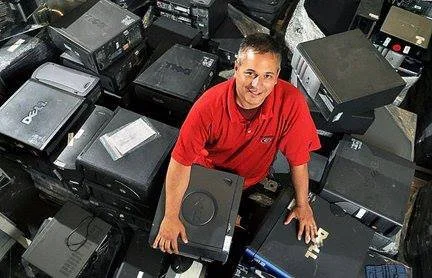
Most recyclers were one-time vendors. You called them, they picked up your old equipment, and you never heard from them again. There was little concern about data security or compliance documentation. There was no transparency around whether your equipment ended up in a landfill, was recovered, or responsibly recycled.
Jon saw that gap and decided to build something different.
"I've always believed in building something of my own. When I started Bruin, I saw a major gap in the electronics recycling space — especially around security, trust, and professionalism for businesses. I built Bruin to solve that problem and create a company of people who actually care.”
More than two decades later, Bruin has become the trusted e-waste partner for schools, hospitals, government agencies, and enterprises across the U.S. and Canada. That trust wasn't earned through marketing. It was earned by doing one thing well, year after year: handling e-waste the right way.
It Started with Relationships
Early on, Jon came across a straightforward opportunity: someone had a large quantity of computer monitors they needed to move. He found a buyer and made the deal happen.
"I remember thinking, 'wow, that was pretty straightforward.' That was a big lightbulb moment for me. It showed me there was real opportunity in connecting supply and demand in this space."
But Jon didn't build a business around one-off transactions.
"From there, I just kept doing deals, but over time those deals turned into relationships, and those relationships turned into long-term clients. Expanding into secure IT asset disposition and working with larger organizations were major turning points that really grew the business."
In a space defined by compliance and environmental responsibility, doing things the right way is not negotiable — it's the whole job. Bruin took this seriously from the beginning.
A Business Built on Trust
In the e-waste industry, trust is essential.
When you hand over devices containing customer data, employee records, or financial information, you need to know your data will be securely destroyed, the process will be documented and auditable, and your recycler is properly certified.
"In a business like ours where trust is everything, having a team that takes ownership and does things the right way means everything to me."
Bruin doesn't cut corners or skip essential documentation, and we don't work with unverified recyclers. The alternative — improper disposal, compliance gaps, data breaches — isn't acceptable from any angle: financial, regulatory, or environmental. When every client engagement is a partnership and not merely a transaction, doing the right thing is the entire model.
What 20+ Years Actually Looks Like
Jon shares a story that captures the work well:
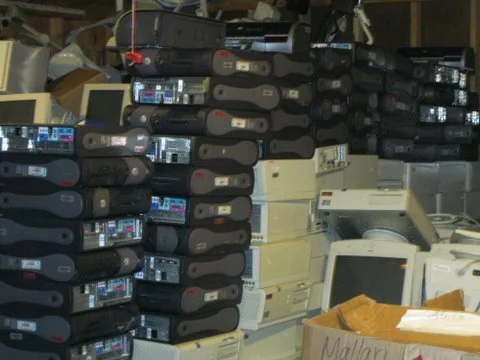
"We've helped organizations clear out thousands of pounds of electronic waste that would have otherwise ended up in landfills. In one case, a client had years of stored equipment they didn't know what to do with. We stepped in, securely processed everything, recycled what needed to be recycled, and refurbished what could be reused. Not only did we reduce environmental impact, but we also helped them recover value from assets they thought were worthless."
That scenario is more common than people realize. Many organizations are quietly sitting on rooms full of old equipment — devices they're not sure how to handle, worried about the data still on them, and uncertain of the cost or hassle involved in getting rid of them properly.
For a lot of clients, the biggest value Bruin provides isn't just compliance documentation or certified destruction. It's finally solving a problem that's been taking up physical space, the team’s mental energy, and IT bandwidth for years.
Community Isn't Marketing
Bruin's relationship with the community isn't a PR initiative. It's how the business operates.
"Being part of the community is a big deal to us. We've built relationships with local businesses, schools, and organizations over the years, helping them safely and responsibly handle their old technology. A lot of times, we're helping people solve problems they've had sitting around for years — rooms full of equipment, concerns about data, or just not knowing where to start."
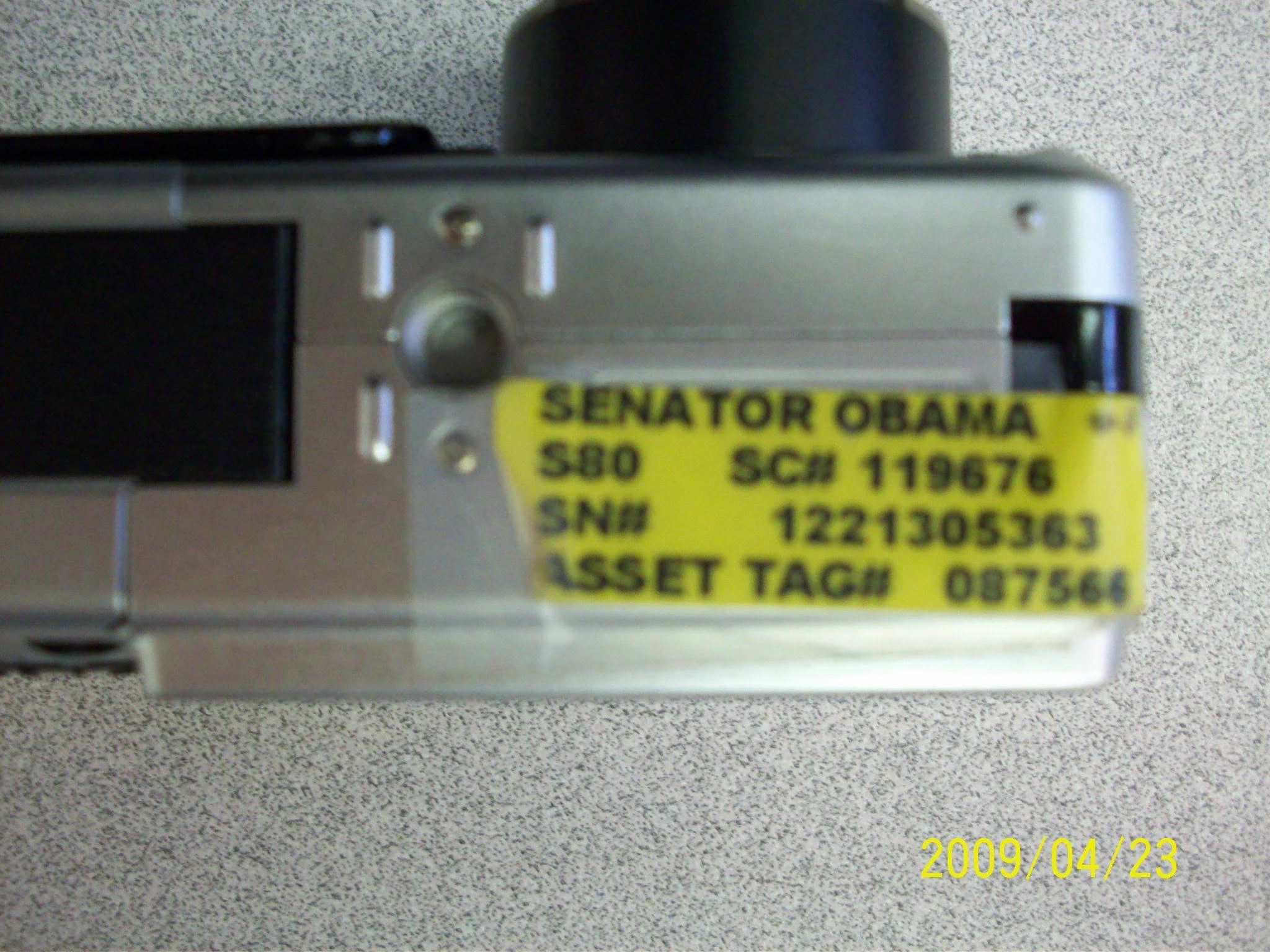
One small story illustrates something important: a few years ago, Bruin received government equipment that included a digital camera that had belonged to President Obama when he was a senator. The camera was broken. Instead of shredding it, Bruin recovered it and sold it at auction for $4,000.
Every piece of equipment has value — sometimes financial, sometimes historical, and sometimes it's simply the satisfaction of knowing your data is secure and your equipment is in good hands.
Building a Team That Cares
Jon is most proud of the people.
"We've built a team that genuinely cares — about the work, about the clients, and about each other. Watching them grow over the years has been one of the most rewarding parts of building Bruin."
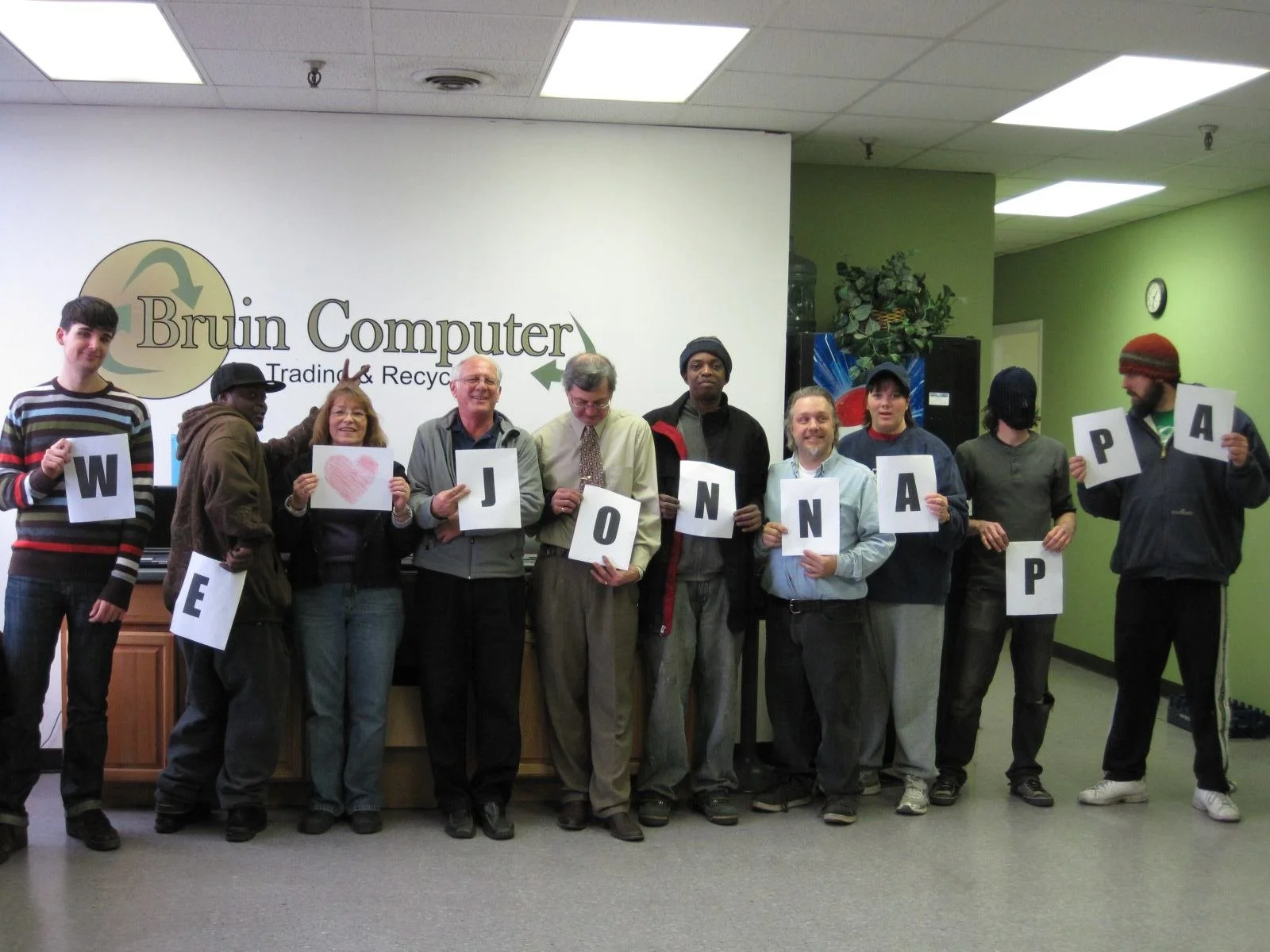
E-waste management isn't glamorous. It's detailed, compliance-heavy, and requires precision. It's impossible to do well with a team that doesn't care. The clients who have been with Bruin for years stay with the company not because it is the cheapest option. They do so because consistent execution and genuine investment in their outcomes is what earns that kind of loyalty.
"The most rewarding part has been the people. What started as business relationships have turned into real friendships, and that's been the most meaningful part of building Bruin over the last 20 years."
The Next 20 Years
The e-waste industry has changed enormously since Jon first spotted the gap in the early 2000s. Regulations have tightened, certifications have become standard, technology has advanced, and environmental awareness has grown significantly. Organizations now manage more sensitive data, face stricter compliance requirements, and retire more devices more frequently than ever before.
But the core principle at Bruin hasn't changed: do things the right way.
If anything, the stakes have made that principle more relevant, not less. As the industry continues to grow and evolve, the organizations that manage e-waste strategically — with certified partners, standardized destruction processes, and audit-ready documentation — will be the ones best positioned to protect their data, their reputation, and their bottom line.
That's been Bruin's approach for more than two decades. It will be the same approach for the next twenty.