
What Happens After the Pickup: Understanding Your ITAD Provider's Full Process
IT managers understand the difference between IT asset disposition (ITAD) and recycling. The challenge lies in the gap between knowing what good ITAD looks like, and having a provider and internal process that actually delivers it.
This gap is where data exposure happens, audits get complicated, and asset value disappears.
This post covers what a mature ITAD process should include, where common programs fall short, and how to make the internal case for doing it right.

The Compliance Problem with “Good Enough”
Recycling handles the physical problem of retired equipment. ITAD handles the liability.
The distinction matters most when someone asks for documentation. An auditor, a legal team responding to an incident, a regulator reviewing your disposal practices — they don’t ask whether the equipment was recycled. What they’re concerned with is a defensible record of what happened to the data on said equipment: what was destroyed, when, to what standard, and by whom.
If your current process or provider can’t produce a certificate of destruction that answers those questions, your company does not have a proper ITAD program, but simply a recycling one.
For organizations subject to HIPAA, FERPA, GLBA, state data protection laws, or internal audit requirements, that distinction isn’t academic, but the difference between a clean audit and an open finding.
What A Complete ITAD Program Covers
A complete program covers these key areas:
Certified Data Destruction
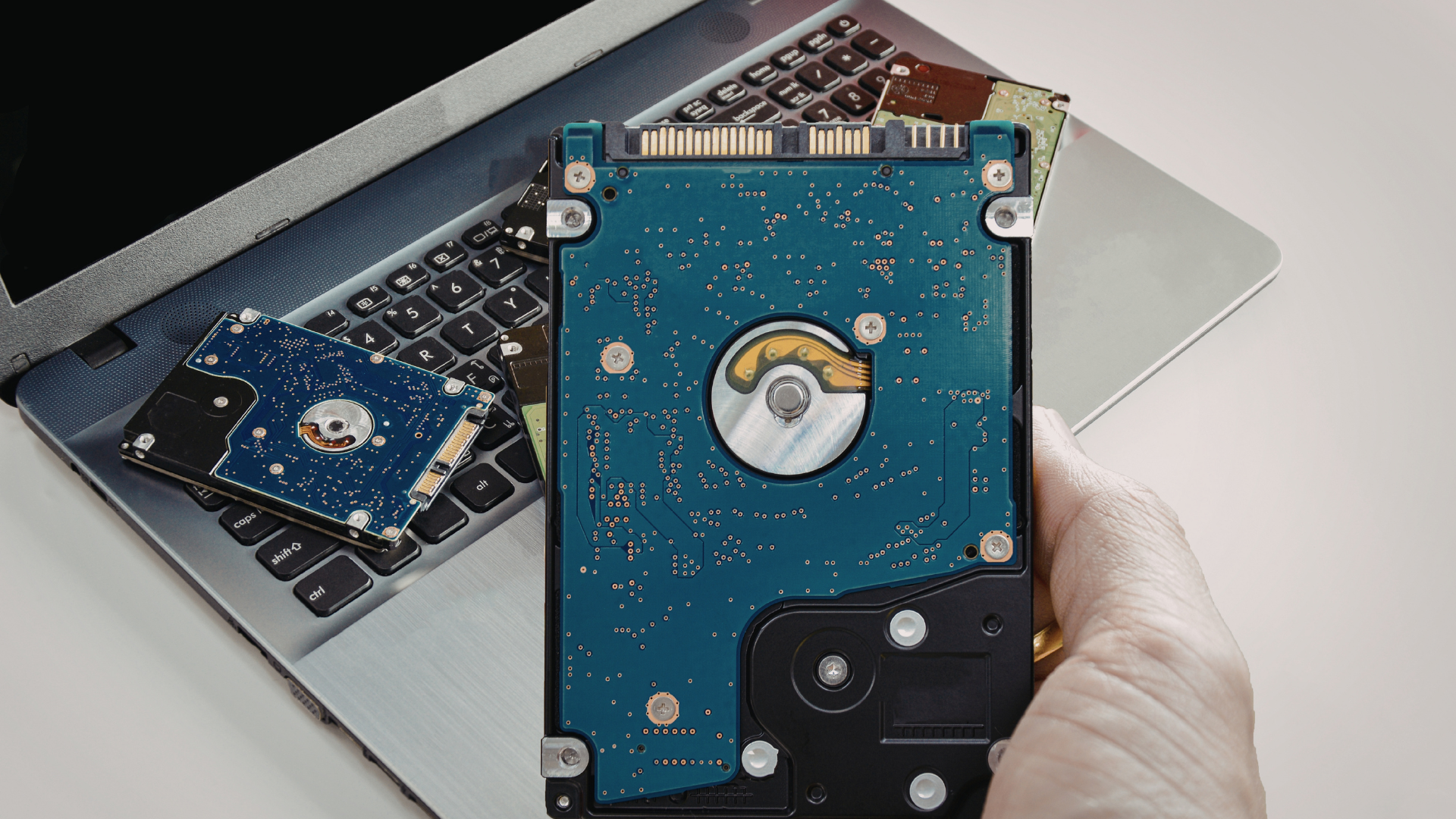
A solid data destruction process starts with recognized standards — NIST 800-88 or DoD 5220.22-M — and backs them up with documentation that confirms what was destroyed and how.
For devices that can't be reliably wiped like failed drives or certain end-of-life media, physical destruction methods like shredding or degaussing are the appropriate route. A good provider assesses this at intake and applies the right method for each situation.
Downstream Partner Accountability
Your liability doesn't end upon equipment pickup. A trustworthy ITAD provider can tell you who handles your equipment at every stage, including the downstream partners responsible for final processing and materials recovery. R2 certification at this stage matters most, since downstream partners are the last step in the chain and where responsible handling ultimately gets proven out.
Chain Of Custody
From pickup through final disposition, equipment should be handled exclusively by certified, vetted staff, and not passed through unverified subcontractors or third parties. This ensures that at every stage of the process, your equipment is in accountable hands, protecting you from leaks or liabilities.
Asset Recovery
Devices three to five years old frequently retain refurbishment value that a pure recycler captures and you don't. A qualified ITAD provider assesses recovery value at intake and returns it to your organization, usually as a credit against processing costs. At scale, this is worth building into your refresh planning. The finance conversation around ITAD gets significantly easier when you can demonstrate net cost rather than line-item expense.
Making the Internal Case for ITAD
IT managers understand the importance of ITAD but often have to justify it to finance or operations leadership who see it as a cost line rather than a risk management tool. Here are a few reframes that better puts ITAD in context:
ITAD offsets costs it appears to add.
Free pickup for qualifying volumes, asset recovery on devices with remaining value, and reduced staff time managing retired equipment storage all cut against the gross cost. When you factor in recovered asset value and eliminated overhead, the net cost is almost always lower than the gross line item suggests.
The cost of a compliance gap is asymmetric.
A failed audit finding, a data breach investigation, or a regulatory penalty tied to improper disposal will cost more than a correctly structured ITAD program over its entire lifetime. This is a risk management argument, not a budget one.

Staff time has a dollar value.
If IT is spending meaningful hours managing retired equipment — storing it, tracking it, coordinating ad hoc pickups, answering questions about what happened to it — a recurring ITAD program with scheduled pickups and consistent documentation eliminates that overhead, and allows the team to devote their resources towards more valuable work.
Evaluating Providers: What to Actually Verify
Outsourcing your ITAD process means you are essentially trusting another entity with your organization’s data and equipment. Partnering with the right provider, one with the track record and credentials, is a vital business decision. Here are some things worth verifying beyond the sales conversation:
Verify their credentials.
Beyond compliance language, a reliable ITAD provider will have verifiable credentials that serve as evidence of their adherence to strict industry standards.
For companies based in New York, being certified by the Department of Environmental Conservation means the facility meets strict environmental standards for electronics recycling and e-waste disposal.
Double-check if they can stand behind claims of “responsible recycling” by verifying if they work exclusively with R2-certified downstream partners. The R2 certification ensures that your equipment, after being properly processed for data destruction, does not end up in landfills.
Ask if they provide a certificate of destruction.
Confirm what is included in the certificate of destruction, and if they follow DoD or NIST standards for data destruction.
Review their track record.
Look for a provider with a verifiable operating history, client relationships that span multiple years, and public reviews that speak specifically to reliability, expertise, and documentation quality. A provider that has been doing this for 20+ years , with clients that keep coming back, has been tested in ways a newer operation hasn’t.
Confirm pickup logistics match your operation.
Engaging an ITAD provider should provide ease and convenience. While onsite pickup is standard for most providers, confirm that this is actually the case, and that your company would not have to transport equipment to a facility. Ask for a clear picture of how the logistics will actually take place.
How Bruin Works with IT Teams
A NYS DEC-certified recycler based in Syracuse, NY, Bruin has spent 20+ years working with IT directors and operations teams who need a reliable ITAD program that holds up under scrutiny, and not just one that clears the storage room.
We offer certified data destruction to DoD and NIST standards, recycling through R2-certified downstream partners, and asset recovery assessment.
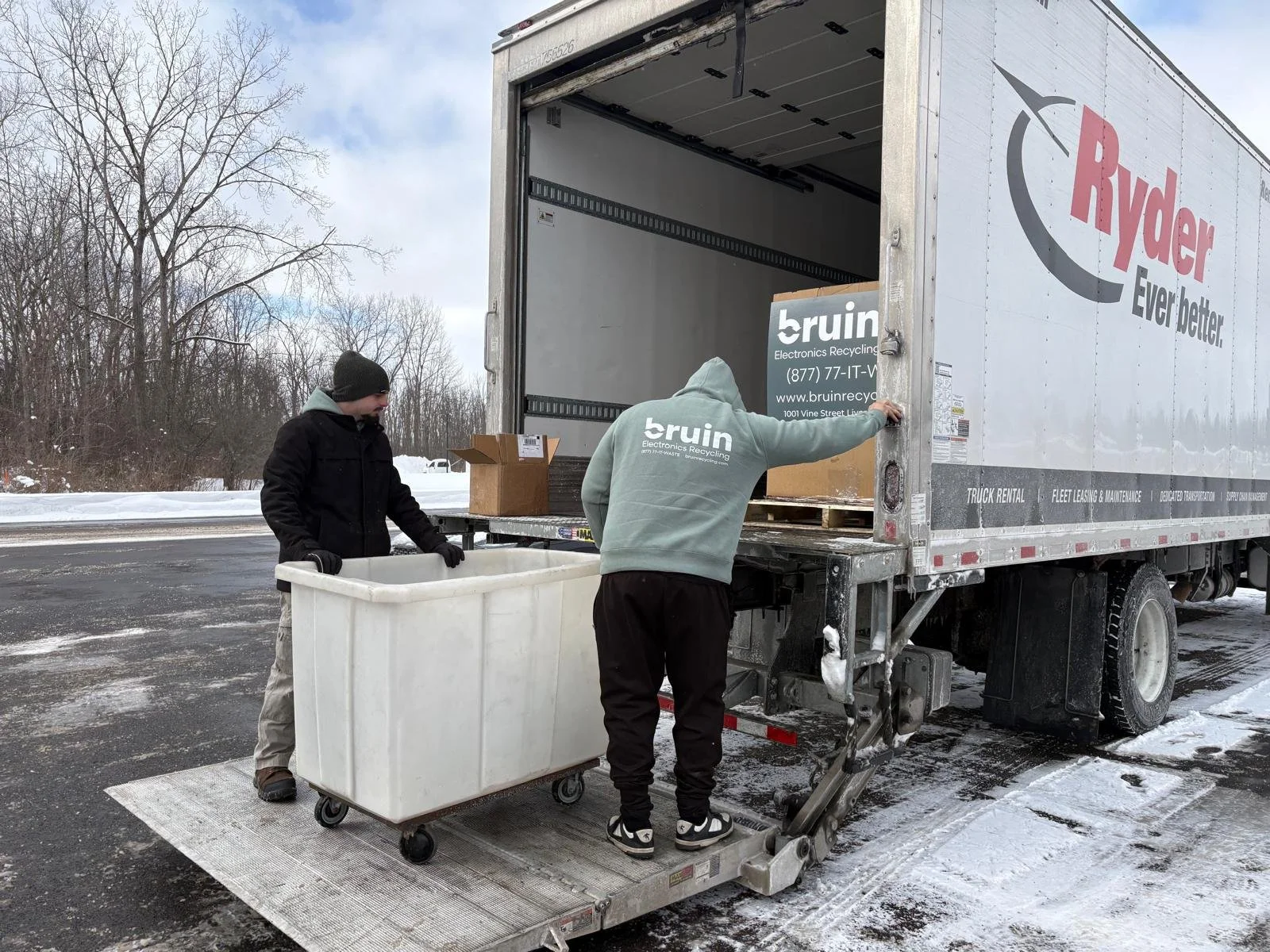
Pickup (anywhere in the U.S. or Canada) is free for qualifying volumes. We work around your refresh cycle and can support recurring pickup schedules built around your fiscal year or device lifecycle.
If you want to review your current process against these standards or need documentation to support an internal program review, a free assessment is a practical starting point.