
IT Asset Disposition for MSPs: How to Offer End-of-Life Services Without Building the Infrastructure
Managed service providers (MSPs) are built on trust. Clients hand over control of their IT infrastructure because they trust their MSP to handle everything from procurement to support with the right expertise and care. Most MSPs deliver on that promise from day one through the active life of every device.
End-of-life is where the opportunity opens up — and where the right partnership makes all the difference.

When a device reaches retirement, the typical MSP response is to set it aside, hand it back to the client with no clear next step, or drop it off at a generalist recycler with no proper documentation. It's not a failure — it's simply a gap that most MSPs haven't had a reason to fill yet. According to Flexera's 2024 State of ITAM Report, 53% of IT teams report challenges maintaining complete visibility of their technology assets. Decommissioned devices accumulate without documentation, and clients are left without the paper trail they increasingly need.
The good news: closing that gap doesn't require building anything new. It just requires the right partner.
What Clients Actually Need at End-of-Life
Most clients don't have a clear picture of what responsible IT asset disposition looks like. They know they have old equipment and know it probably has data on it. Beyond that, the process is opaque. That's where an MSP with the right partner adds real value.
Here's what a proper end-of-life process delivers for clients:
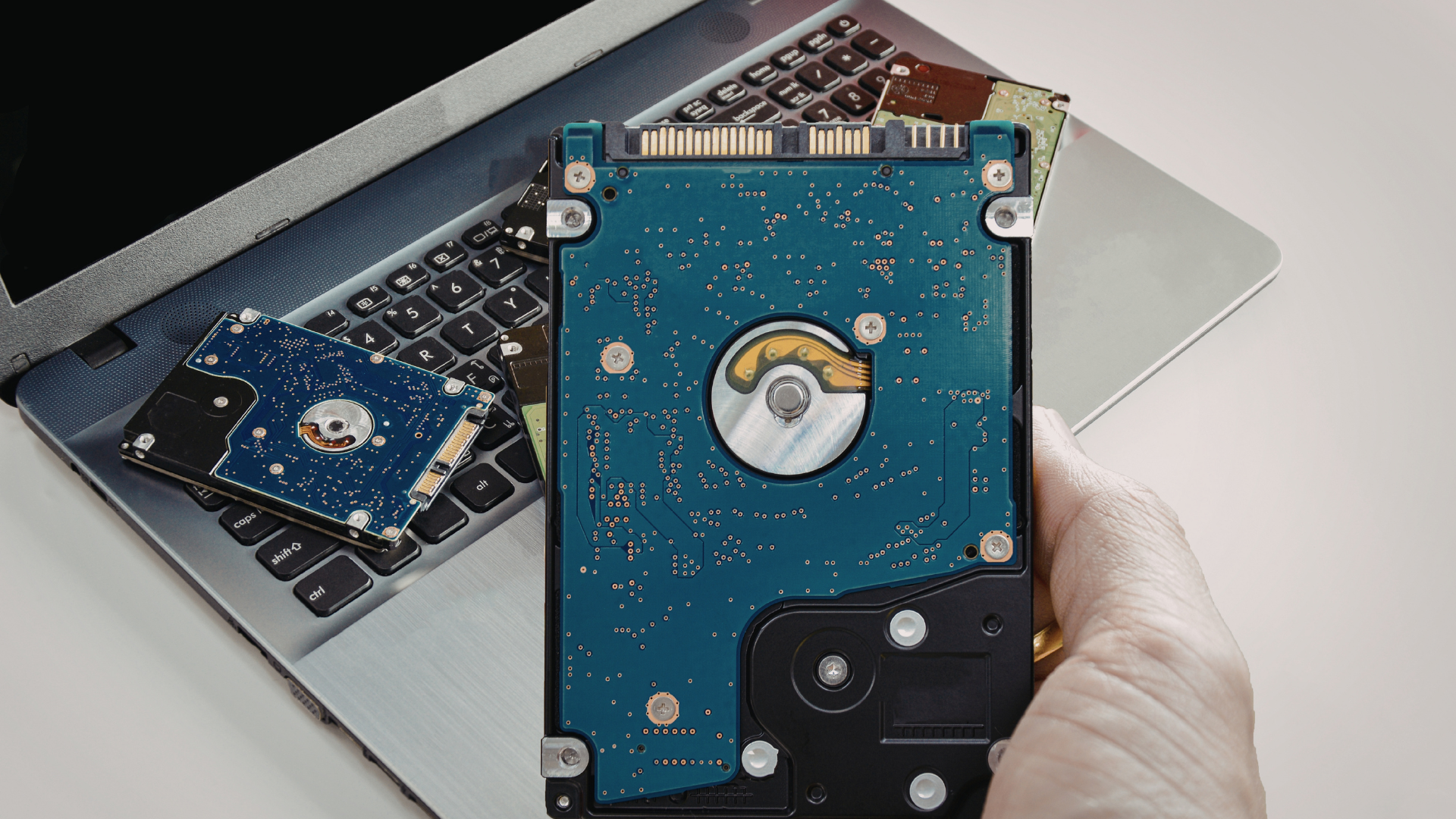
Certified data destruction that meets NIST 800-88 standards, with per-device verification. A standard factory reset leaves data in decommissioned devices recoverable with forensic tools. Certified destruction ensures that data is truly gone.
Compliance documentation clients can file with confidence: certificates of data destruction, R2 certifications, and an inventory of processed equipment. For clients in healthcare, finance, education, or government, this isn't optional — it's a vital part of risk management.
Responsible recycling handled by R2-certified downstream partners. Clients who ask "what happened to our old equipment" get an answer you can stand behind.
Flexible logistics that work around the client's timeline, whether that's a one-time cleanout during a hardware refresh or an ongoing scheduled program built into the service agreement.
The Business Case for MSPs
There's a straightforward argument for adding end-of-life management to your service offering: your clients need it, most of your competitors don't offer it, and you don't have to build it yourself.
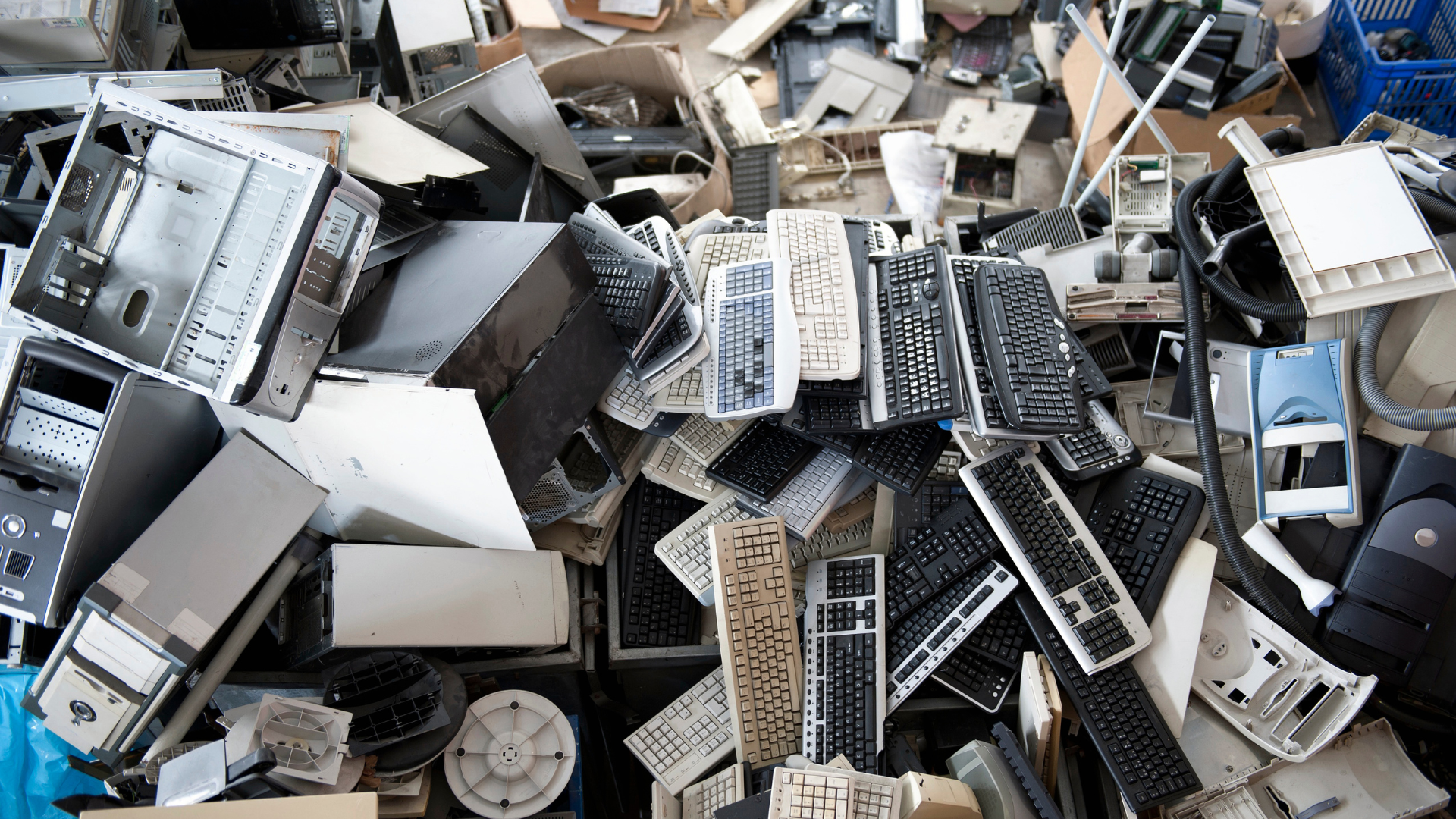
Clients — particularly those with ESG commitments, compliance requirements, or sustainability-conscious leadership — are increasingly asking about responsible disposal as part of procurement decisions. An MSP that can answer that question proactively, with a certified partner and a documented process, is an MSP that's harder to displace.
The model is simple. You stay focused on what you do best — managing technology and supporting clients’ IT needs — while Bruin handles everything that happens at end-of-life: pickup logistics, certified data destruction, documentation, and responsible recycling. You extend your service without the hassle.
Frequently Asked Questions
What types of equipment do MSPs typically need to dispose of?

The most common categories include laptops and desktops, servers and networking hardware, mobile devices, monitors and peripherals, and storage media including hard drives and SSDs. Many MSPs also manage printers, phone systems, and specialized equipment depending on their client base. A certified recycler should be able to handle the full range and advise on items with residual value versus those that should go directly to recycling.
How does certified data destruction differ from a standard wipe?
A standard wipe deletes file directories but may leave data recoverable with forensic tools. Certified data destruction follows verified standards — typically NIST 800-88 — and produces documentation confirming that each device was sanitized to the required level. Depending on the device and sensitivity classification, this may involve overwriting, degaussing, or physical destruction. The certificate of data destruction is what clients need for compliance; a standard wipe doesn't produce one.
Can MSPs build e-waste disposal into their service agreements?
Yes, and many are beginning to do so. The most common approach is to include end-of-life coordination as part of a comprehensive IT lifecycle management tier, with disposal costs either built into the agreement or passed through at cost. Some MSPs structure it as a standalone add-on service. The key is having a certified partner who can deliver consistently so the service is something you can stand behind contractually.
What documentation should an MSP provide clients after disposal?
The standard documentation are: certificate of data destruction for each contracted device, a certificate of recycling confirming responsible disposition or the recycler’s R2 certification, and an inventory of the processed equipment.
Does Bruin serve clients outside of the Syracuse area?
Yes. Bruin is headquartered in Liverpool, NY and serves business clients nationwide. We coordinate pickups and logistics for organizations across the country, with the same process and documentation regardless of location. Contact us to discuss your needs.
Ready to Close the Gap Together?

Your expertise is managing technology. Ours is what happens when it stops. Together, that's a complete service offering your clients will notice and your competitors won't be able to match.